7/28/2007

Belgian National Day

[ . BACK to TOP . ]

:::::::::::::::::::::::::::::::::::::::::::::::::::::::::::::::::::::::::::::::::::::::::::::::::::::

Belgian National Day
(Fête nationale de la Belgique)

***** Location: Belgium
***** Season: Mid-Summer
***** Category: Observance


*****************************
Explanation

21 July is the National Festival of Belgium, celebrating the historical achievement of independence in 1830. 21 July is always a public holiday, and everyone enjoys joining in for at least some of the varied activities.

The country has three languages -- Flemish, French and German -- and is never quite safe from a potential split. In addition, nowadays there are immigrants from all the EU Member States, as well as many other countries around the world -- and this day is a great unifying occasion for the country, as everyone enjoys the activities together.

The festival starts with a big outdoor dance party the night before, in one of the downtown city squares, free of charge for the population to enjoy.

Belgians are not a flag-waving people, but for the National Day, some of my neighbours hang out their black-gold-red flags and enjoy a short-lived burst of national fervour.


Belgian flag

The National Day always starts with the King and Queen attending a festive Te Deum in the Cathedral of SS Michel et Gudule, after which they proceed to host a parade of armed forces, many of them marching or riding past in their festive costumes. The parade concludes with a fly-past by the airforce, indulging in mild aerobatics.

Many of the Belgian institutions open their doors to the public, and so, for instance, one can take school groups to the Parliament, and ask questions about how it works, or be part of a mock debate. The museums are open free of charge, and some archaeological sites around the royal palace can be visited only on this day.

Between the Parliament building and the royal palace lies a huge park, where all day long special sports activities are organised for children and teenagers. Called “Olympicnic” and held under the auspices of the Belgian Olympic Committee, the event even includes the lighting of a mini Olympic flame. The young people are given cards and set to try out a circuit of the less well known sports, such as archery, beach volleyball, rugby and golf -- and for the small ones rope skipping and even gym dancing to the latest pop music. It is great fun! This year, for the first time, I noticed baseball was also there...

All who finish the course, win a prize -- this year, it was an orange sun hat, worn with pride by many around the park.


The armed forces and other disciplines, such as the fire brigade and the Red Cross, have stands to explain their work to all comers. The European Union had a prominent presence this year, celebrating its own 50th anniversary.

Finally, in the evening, there is a huge fireworks display in front of the royal palace -- a definite "must", with a great atmosphere gathering huge crowds, and always some new creation of beauty. My own commune (Saint-Josse Ten Noode) has its own fireworks immediately afterwards, and I enjoy them almost as much, as they are for the locals, on the local square, and one can get right up to the action. In some positions, one can even get showered with interesting Chinese debris...

Text and photos © Isabelle Prondzynski

:::::::::::::::::::::::::::::::::::::::::::::::::::::::::::::::::::::::::::::::::::::::::::::::::::

More information here about the 2007 events :
http://www.sibp.be/parc/fr/accueilparc.htm

xxxxxxxxxxxxxxxxxxxxxxxxxxxxxxxxxxxxxxxxxxxxxx

A bit of history...

In the 17th century followed Austrian rule, and a few years of French rule under Napoleon. After Napoleon's demise, in 1815, Belgium was reunited with the northern provinces in the United Kingdom of the Netherlands, until the Belgian Revolution in 1830, which established an independent Belgian state. The Belgian revolution was initiated by the French-speaking minority who controlled the factories and other economical resources and who did not want to live under a Dutch-speaking administration. The fact that Belgium was mostly Catholic and the Netherlands predominantly Protestant also played a role. Another important factor which played a decisive role was the dramatic gap between the respective economic levels of the southern and northern provinces.

...

Since the 20th century, the history of Belgium became more and more dominated by the increasing autonomy of its two main communities, the Dutch- and the French-speakers. As an indication of this, since around 1970, there are no longer significant national Belgian political parties, but only Flemish- or French-speaking parties (and one German-speaking party). The regular attempts to re-establish national, Belgian parties end up below 1 percent of the electorate; the Brussels parties either never got started (as with the 'Blauwe Leeuwen' and 'Rode Leeuwen' for the Flemings in Brussels), or got merged into one of the French-speaking liberal parties (such as the French-speaking FDF, which, however, has had a significant influence for years, and still keeps some independence).

As such, the political landscape shows a near-perfect dual political system, reflecting the two underlying dominant communities. While some observers believe that Belgium is well on its way to disintegration, falling apart into two independent states, Flanders and Wallonia, others go on to argue that this would have already happened had it not been for the problem posed by the city of Brussels. Today, many view this as quite improbable, considering how the vast mayority of the inhabitants are in favour of a united Belgium.
© en.wikipedia.org/wiki/Belgium


:::::::::::::::::::::::::::::::::::::::::::::::::::::::::::::::::::::::::::::::::::::::::::::::::::::
:::::::::::::::::::::::::::::::::::::::::::::::::::::::::::::::::::::::::::::::::::::::::::::::::::::


Ghent Festivities, Ghent Festival, Gentse Feesten

CLICK for original link ... vrijetij/feesten


Always at Summer time we have our Ghent Festivities. The Ghent Festivities are organised each year an the end of July. That week must include the National Belgian Day - the 21. of July.
During this week, the whole center of Ghent is one festivity zone.
Each day there is a lot to see. We have street theatre, music tents and many more. Infact the festivities go on the whole days and nights. Our Belfort is symbol for our willing for freedom. On top there is a 'golden' dragon with spread wings; a 'wind cock'.

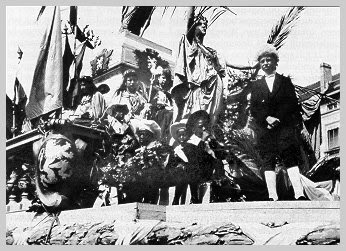
And we have our halter procession. A procession reminding of the time we were terrorised by our 'son' Charles the Fifth. Born at Ghent in 1500. In that procession haltered men (must be real Ghenter during several generations) are walking in a silent procession. Also Charles the Fifth is seen with his soldiers and family.
At the end of that procession the whole procession stops in the shade of the belfry. People and the haltered men are singing the 'Roland Song (our 'national Song) about the clock Roland (or Roeland) who warned the Ghent Population against enemies and desasters. During the song (sung by most of us Ghenters) Charles The Fifth and his clique are showing their back to us public.

During the procession people are still insulting Charles and applauding the haltered men.
We are known as the halter people or rope people (stroppendragers) .


Die Genter Festzeit
Der goldne Belfrieddrachen
Steckt die Zunge aus.

Ghent Festivities
The golden Belfry dragon
Putting out its tongue.


ron rozendaal, July 2008


CLICK for more photos


*****************************
Worldwide use


*****************************
Things found on the way


*****************************
HAIKU


horse guards --
so many and so still
as they wait
(2007)


all cameras out --
the chessboard buttocks
of the chestnuts

(2007)


national day --
sound of cathedral bells
and hooves on cobbles
(2007)

national parade --
yellow balloon meets a
helicopter

(2005)

national holiday --
Belgian colours waft
across our street

(2005)

my windowsill --
a perfect position
for the fly-past

(2006)

old drone
skims over our roofs --
scaring the crows

(2006)


concentration
as he strikes his first baseball --
Olympicnic

(2007)


all decked out
in Belgian national colours --
two Americans
(2006)

fireworks --
catching the debris
spinning down
(2006)

Haiku and photos © Isabelle Prondzynski

xxxxxxxxxxxxxxxxxxxxxxxxxxxxx

*****************************
Related words

***** Independence Day worldwide

*****************************

Back to the Worldkigo Index
http://worldkigodatabase.blogspot.com/

7/27/2007

Swift (Apus apus)

[ . BACK to TOP . ]

:::::::::::::::::::::::::::::::::::::::::::::::::::::::::::::::::::::::::::::::::::::::::::::::::::::

Swift (Latin : Apus apus --
German : Mauersegler -- French : martinet noir)


***** Location: Ireland and Europe
***** Season: Mid-Summer
***** Category: Animal


*****************************
Explanation


Swifts are one of the sure signs of the European summer. They arrive immediately after the swallows, at the beginning of May, and leave again, almost unnoticed, weeks before the swallows depart, at the beginning of August. They often fly in flocks, wheeling at high speed over the rooftops or under the clouds, screeching in chorus as they go, and are said to spend almost their entire lives flying.

The swift is more urbanised than the swallow, at least in Europe. While both happily coexist in rural Ireland, swallows lack the mud they need to build their nests in the modern city. Swifts make use of holes and crevices in buildings, and so long as sufficient old buildings offer such spaces, they will be found even in major cities.

Some years back, one of them strayed into my bathroom in Ireland, and flew round and round just below the high ceiling, in a space that was far too confined for it. After considerable time, I managed to trap it with the help of a curtain and found that, while its wings were wide and strong, it had quite rudimentary feet.

The shout of the swift is part of the height of summer in the same way that open windows are... and its disappearance is a clear harbinger of the imminence of autumn.


View from my window -- the swifts were too swift for my camera!

Text and photo © Isabelle Prondzynski

:::::::::::::::::::::::::::::::::::::::::::::::::::::::::::::::::::::::::::::::::::::::::::::::::::

Scientific name : Apus apus

Status :
Common summer visitor everywhere except far N and W Scotland.

Habitat :
Breeds almost exclusively in buildings in towns and villages, but travels large distances to feed and can then be found almost anywhere.

Description :
Superb fliers and the most ariel of birds. All dark except for whitish chin (hard to see), and best told by its characteristic scythe shaped wings, and its screaming calls, often in small parties wheeling around buildings. Unlike swallows and martins, never lands on ground or perches on wires, and indeed spends almost all its life on the wing.

Size :
16 - 17 cm

http://www.birdsofbritain.co.uk/bird-guide/swift.htm

*****************************
Worldwide use

Czech Republic

The trials of the Common Swift - bird of the year in the Czech Rep
[11-08-2004]
By Jan Velinger

Over the last couple of days we've seen one of the first signs of autumn here in Prague, as swifts have started gathering for their annual migration to the south. But for how much longer will this annual ritual continue? The common swift has been chosen this year by the Czech Ornithological Society to be the subject of its annual Bird of the Year campaign to heighten a growing threat to the swift's traditional habitats.

In Latin it's known as Apus apus - the Common Swift. It's an acrobatic and feisty bird - easily recognisable for its characteristic screech that you often hear in the spring and early summer months.

The swift is no stranger to Czech cities, as the breed favours nesting under the eaves of apartment buildings or even within building themselves. Pavel Vasak is from the Czech Ornithological Society. He explains how the bird developed new habits in reaction to changing trends.

"After 1989 the majority of cities in the Czech Republic - especially Prague - began seeing extensive reconstruction of old buildings in very poor shape. The repairs of facades and roofs, however, meant that the birds' nesting choices eventually grew limited, which eventually influenced the species to begin nesting in ventilation shafts in pre-fabricated apartments. Today, that has proven to be a bad choice."

Setting up home within ventilation shafts is a habit that has now put the birds at threat. There have been many cases of birds being holed up, trapped inside ventilation shafts with access routes cut off.

The danger to the swift is one reason the Ornithological Society chose the bird for its 2004 campaign in the first place, and in part thanks to the campaign the society along with the Ministry for Regional Development, City Hall, and members of the concerned public,have been able to put pressure on construction firms to respect the birds' habitat, and rebuild in such a manner as not to put the species at continued threat. Pavel Vasak again:

"In past years our experience with construction companies was not that positive. But since last year we began co-operating with the Ministry for Regional Development and City Hall - that has made the difference. Construction firms - and the public - are now more aware of the needs of the swift and what needs to be done - and can be done - to help the bird's habitat survive."

In primeval times swifts used to nest in cracks and crannies on the sides of natural cliffs but their choosing man-made structures for nesting goes back to ancient times too - to the first stone structures and villages ever built by man. That set-up proved successful for millennia: the Czech Ornithological Society will do every thing within its power to makes sure that set-up continues.

http://www.radio.cz/en/article/56949

:::::::::::::::::::::::::::::::::::::::::::::::::::::::::::::::::::::::::::::::::::::::::::::::::::::

France

martinet noir

More photos here, and a write-up of the swift (martinet noir) in French :
..www.oiseaux.net/oiseaux/

With a wonderful photo :
..www.oiseaux.net/photos/

:::::::::::::::::::::::::::::::::::::::::::::::::::::::::::::::::::::::::::::::::::::::::::::::::::::


Germany


Mauersegler

Beautiful pages at the URL below, with photos taken by Erich Kaiser, who loves, researches and accommodates swifts in the gables of his house. The write-up is in German, but following the pages from 1 to 8, you will see a fascinating series of photos of swift fledgelings, from hatching all the way to stretching their enormous wings and getting ready for their first flight -- which they must succeed, as they could not manage to take off again if they fall to the ground.
..www.mauersegler.klausroggel.de/


*****************************
Things found on the way


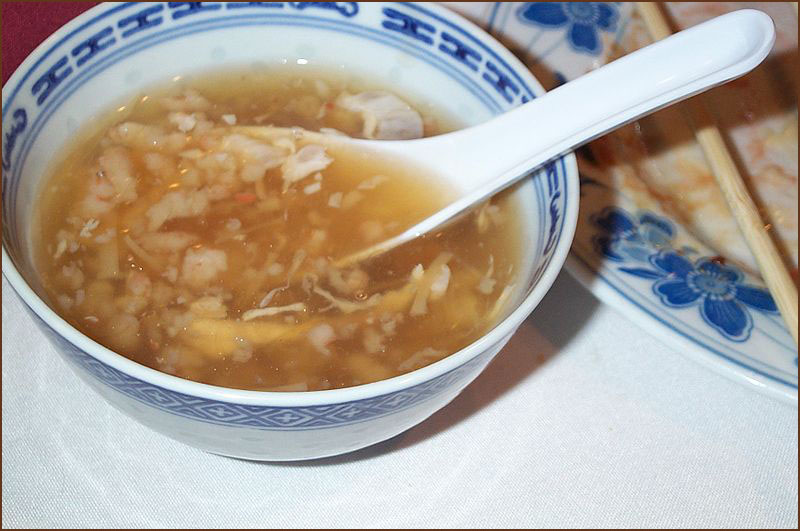
birds nest soup

a delicacy in Chinese cuisine.
A few species of swift, the cave swifts, are renowned for building the saliva nests used to produce the unique texture of this soup.

The edible bird's nests are among the most expensive animal products consumed by humans. The nests have been used in Chinese cooking for over 400 years, most often as bird's nest soup.


The Chinese name for bird's nest soup, yàn wō (燕窝), translates literally as "swallow's nest". When dissolved in water, the birds' nests have a gelatinous texture used for soup or sweet tong sui. It is mostly referred to as "yan wo" unless references are made to the salty or sweet soup in Chinese cuisine.
© More in the WIKIPEDIA !

bird's nest―
a cave swift delicacy
in my bowl


- Shared by Santíago Víllafanía, Philippines -
Joys of Japan, 2012


*****************************
HAIKU


balmy day --
balcony seat under
swiftless skies
(15 September 2005)


high above
in the blue morning sky --
the first two swifts


evening sky --
a cloud of swifts
mills about
(both 3 May 2006)


swifts have gone --
will I be back next year?
warm autumn night

(5 August 2006)


all at once --
a sky full of
swifts

(4 May 2007)


evening sky --
full of jasmine
and swifts’ wings
(20 June 2007)


fading daylight --
the last swarm of swifts
more heard than seen

(15 July 2007)

Isabelle Prondzynski

:::::::::::::::::::::::::::::::::::::::::::::::::::::::::::::::::::::::::::::::::::::::::::::::::::::

bedtime -
darting swifts
play tag


© ~ joanie

xxxxxxxxxxxxxxxxxxxxxxxxxxxxx


evening -
some swifts in and out
of a train's sound


© ~ O.G. Aksnes

xxxxxxxxxxxxxxxxxxxxxxxxxxxxx


noisy swifts spiral
into the old church chimney
as evening air cools

© ~ Pardee A Gunter

xxxxxxxxxxxxxxxxxxxxxxxxxxxxx


Haiga


a traveller
in time and space
common swift rush by


Curtesy of © Ashi


*****************************
Related words

***** Swallow (tsubame, Japan)


[ . BACK to WORLDKIGO . TOP . ]
::::::::::::::::::::::::::::::::::::::::::::::::::::::::::::::::::::::::::::::::::::::::::::::::::::: 

7/16/2007

Bog grasses

[ . BACK to TOP . ]

:::::::::::::::::::::::::::::::::::::::::::::::::::::::::::::::::::::::::::::::::::::::::::::::::::::

Bog grasses

***** Location: Ireland
***** Season: Autumn
***** Category: Plant


*****************************
Explanation

Bog Grasses

There are three major types of bog in Ireland; firstly Fens, which form where the bog is fed from ground waters rich in nutrients; raised bogs, which occupy the sites of former lake basins, and often form on top of fens, especially in the Irish midlands; and lastly blanket bogs, which cover mountain tops or sloping ground, especially on the west coast.

Fens are bogs which form in lake basins (right). The community of grasses, sedges, and bryophytes is fed from ground waters rich in nutrients. They are very often an early stage in the formation of raised bogs which grow on top of the fen. Their depth can vary depending on their location but they are usually 2 to 3m in depth. ome of our rarest flowering plants and bryophytes are confined to fens.

Raised bog is almost pure sphagnum moss (susán) with scattered grasses and sedges, and these are the bogs from which moss peat is extracted. Sphagnum can grow on rainwater alone, and as long as grasses, sedges and heathers cannot obtain sufficient nutrients from the bog, the sphagnum will continue to outstrip them in speed of growth, forming a huge dome of moss that gradually spreads outwards from the original lake basin from where it starts. Raised bogs probably began growing about 7,000 years ago.

About a foot below the surface of a bog the water is deprived of all oxygen, and the dead remains of moss, other plants and even humans can be preserved indefinitely. Country dwellers used to store butter below the surface of bogs, and examples of ‘bog-butter’ are still occasionally found. Raised bogs are fragile because they are like a huge plastic bag full of water - as soon as you make a pin prick in them they drain away and collapse. These bogs are sometimes called red bogs, because the dry peat looks brownish-red in colour - in blanket bog the cut turves dry black.

Blanket bogs cover much of the hills and land along the west coast of Ireland. They are dominated by heathers, grasses and sedges as well as sphagnum moss. Blanket bogs only develop in areas of the west, or mountaintops, with particularly high rainfall (more than 1.3 metres per year). They began growing about 4,000 years ago when rainfall increased. On higher ground, bogs are often referred to as moorland, where they are somewhat transitional between heath (dominated by heathers) and bog (dominated by sphagnum moss).

Heath is a transitional community, which links the more upland types of grassland with the drier types of mountain blanket bog. It occurs on shallow, peaty soils, with a higher mineral content than true peat characteristic of bogs. This community usually comprises a patchwork, with different areas dominated by different species; bracken, raithneach mhór (Pteridium aquilinum), bilberry, fraochán (Vaccinium myrtillus), bell heather, fraoch cloigíneach (Erica cinerea), ling heather, fraoch mór (Calluna vulgaris), rushes, sedges or grasses.


HEATHER, see below.

*****************************
Worldwide use


*****************************
Things found on the way


*****************************
HAIKU


bog grasses in the evening -
a seagull
absorbs the light

© Aisling White, 2006
Haiku from Irelnad


*****************************
Related words

Heather (Erika) (Ericaceae)
kigo for autumn

CLICK for more photos !CLICK for many more photos !

ヘザー(Heather)
エリカ属(Erica), カルーナ属(Calluna),ダボエシア属(Daboecia)
ヒース(Heath), リング(Ling)

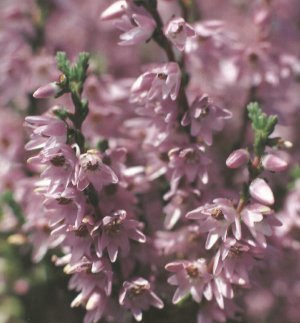
Heather is at home in Europe (e.g. Ireland) in areas with acid soil, such as bogs and similar landscapes.
Ireland, Scotland, Germany (Lueneburger Heide) are among the best.
France and Spain have their heathers too.

Heather flowers in the autumn and produces spectacular purple landscapes at that time.

Heather honey is the very best in flavour and the most expensive, and it is very hard nowadays to find it pure.

Ericaceae family:
HEIDE, Heidekraut, Erika in German.
http://de.wikipedia.org/wiki/Heidekraut

.................................................

When God first made the world, He looked at the bare and barren hillsides and thought how nice it would be to cover them with some kind of beautiful tree or flower. So he turned to the Giant Oak, the biggest and strongest of all of the trees he had made, and asked him if he would be willing to go up to the bare hills to help make them look more attractive. But the oak explained that he needed a good depth of soil in order to grow and that the hillsides would be far too rocky for him to take root.

So God left the oak tree and turned to the honeysuckle with its lovely yellow flower and beautiful sweet fragrance. He asked the honeysuckle if she would care to grow on the hillsides and spread her beauty and fragrance amongst the barren slopes. But the honeysuckle explained that she needed a wall or a fence or even another plant to grow against, and for that reason, it would be quite impossible for her to grow in the hills.

So God then turned to one of the sweetest and most beautiful of all the flowers - the rose. God asked the rose if she would care to grace the rugged highlands with her splendour. But the rose explained that the wind and the rain and the cold on the hills would destroy her, and so she would not be able to grow on the hills.

Disappointed with the oak, the honeysuckle and the rose, God turned away. At length, he came across a small, low lying, green shrub with a flower of tiny petals -some purple and some white. It was a heather.

God asked the heather the same question that he’d asked the others.
"Will you go and grow upon the hillsides to make them more beautiful?"

The heather thought about the poor soil, the wind and the rain - and wasn’t very sure that she could do a good job. But turning to God she replied that if he wanted her to do it, she would certainly give it a try.

God was very pleased.

Read the rest of the story here
 © www.electricscotland.com

COPY


:::::::::::::::::::::::::::::::::::::::::::::::::::::::::::::::::::::::::::::::::::::::::::::::::::

***** WKD : Ireland Saijiki, Irish Saijiki


*****************************

Back to the Worldkigo Index
http://worldkigodatabase.blogspot.com/

Rubber plant

[ . BACK to TOP . ]

:::::::::::::::::::::::::::::::::::::::::::::::::::::::::::::::::::::::::::::::::::::::::::::::::::::

Rubber plant (Ficus elastica)

***** Location: Ireland
***** Season: Summer
***** Category: Plant


*****************************
Explanation

Rubber plant (Ficus elastica) is grown around the world as an ornamental plant, outside in frost-free climates from the tropical to the Mediterranean and inside in colder climates as a houseplant. Along with Philodendron, it is one of the most common houseplants in modern-days Ireland.

A ficus has green glossy leaves, which usually are about 3-4 inches long; they have a stem about as thick as the ink refil on a pen, about one inch long and attached to a wooden stem. The underside redness can vary greatly depending on the age, and so can the woodiness. A Ficus would drop their oval-shaped or rather pointed leaves in hot, dry conditions.

Anatoly Kudryavitsky


*****************************
Worldwide use


*****************************
Things found on the way


*****************************
HAIKU


day's writing done -
the rubber plant sheds
a moony leaf


by Anatoly Kudryavitsky
(from 'Morning at Mount Ring', DOGHOUSE Books, 2007)


*****************************
Related words

***** WKD : Ireland Saijiki, Irish Saijiki

*****************************

Back to the Worldkigo Index
http://worldkigodatabase.blogspot.com/

Redcurrant

[ . BACK to TOP . ]

:::::::::::::::::::::::::::::::::::::::::::::::::::::::::::::::::::::::::::::::::::::::::::::::::::::

Redcurrant

***** Location: Ireland, Europe
***** Season: Mid-Summer
***** Category: Plant


*****************************
Explanation

The redcurrant is a beautiful looking berry, the lushest red imaginable when fully ripe. It is much loved by blackbirds and other birds -- in our Irish garden, we drape the bushes with netting, so as to keep some of the berries for ourselves. It is picked from about the end of June to the second half of July, when the fruit fruit are a delicious kigo.

The berries are both sweet and sour, too sour for some to enjoy raw, but delicious when properly ripened, and often eaten with sugar and cream -- if not straight off the bush!

They make a delicious juice, a perfect jelly, and a wonderful jam (if one does not mind the little pips) -- as well as being the most essential ingredient in “rote Grütze”, a Northern German / Danish summer pudding stewed from red fruit. They are also a key component of “Rumtopf” (see below) -- itself a kigo for winter.


Redcurrants freshly picked from a net-covered bush

Text and photo © Isabelle Prondzynski

:::::::::::::::::::::::::::::::::::::::::::::::::::::::::::::::::::::::::::::::::::::::::::::::::::


The Redcurrant (Ribes rubrum)
is a member of the genus Ribes in the gooseberry family Grossulariaceae, native to parts of western Europe (France, Belgium, Netherlands, Germany, and northern Italy). It is a deciduous shrub normally growing to 1-1.5 m tall, occasionally 2 m, with five-lobed leaves arranged spirally on the stems. The flowers are inconspicuous yellow-green, in pendulous 4-8 cm racemes, maturing into bright red translucent edible berries about 8-12 mm diameter, with 3-10 berries on each raceme.

Although blackcurrant is more traditionally associated with medicinal uses, English and German language herbalist sources consider redcurrant berries to have fever-reducing, sweat-inducing, menstrual-flow inducing, mildly laxative, astringent, appetite increasing, blood cleansing, diuretic and digestive properties. Some of these proposed effects are probable, due to the verified high levels of vitamin C, fruit acids, and fiber the berries contain. Tea made from dried redcurrant leaves is said to ease the symptoms of gout and rheumatism, be useful in compresses for poorly healing wounds, and as a gargling solution for mouth infections.

© WIKIPEDIA

xxxxxxxxxxxxxxxxxxxxxxxxxxxxxxxxxxxxxxxxxxxxx


Photo © Isabelle Prondzynski


*****************************
Worldwide use

Rote Grütze

This is a Northern German and Scandinavian speciality, a delicious summer pudding made of red fruit, which must contain a good helping of red currants to give it that pleasantly sweet and tart flavour. In Danish, it is called Rødgrød. One of the favourite tongue twisters given to learners of Danish, is “rødgrød med fløde på” -- being summer pudding with liquid cream floating on top, just as it should.

The recipes available on the internet in English, are mostly written by expatriates, often of the second or third generation, or indeed their friends. The one which follows below is pretty genuine.

Isabelle Prondzynski


Germany

In German, the red and black currants are called "Johannisbeeren" (St. John's berries), because they usually ripen round about St John's Day (Johannistag -- 24 June). This major festival, celebrating the birth of St. John the Baptist, is an integral part of the mid-summer celebrations in many European countries, often with bonfires and dances.

Isabelle Prondzynski

:::::::::::::::::::::::::::::::::::::::::::::::::::::::::::::::::::::::::::::::::::::::::::::::::::

Rodgrod med Flode (Norwegian Fruit Jelly with Cream)

Amount ..... Ingredient --

1 pt Red currants
1 pt Raspberries
2 c Water
1/2 c Sugar
1 tb Cornstarch
2 tb Water
1 t Vanilla extract

In a large saucepan, rinse fruit. Combine fruit and water; simmer over medium heat about 10 minutes. Drain; stir in sugar. Blend cornstarch and cold water into a smooth paste. Add cornstarch to fruit, stirring constantly. Bring mixture to a boil; cook 3 minutes.

Remove from heat and stir in vanilla. Sieve mixture, if desired. Chill. Serve with cream and decorate with blanched almonds, if desired.

4 servings
© www.recipesource.com/

:::::::::::::::::::::::::::::::::::::::::::::::::::::::::::::::::::::::::::::::::::::::::::::::::::

Japan

akasuguri アカスグリ

In Japan, redcurrants can grow, but do not ripen when grown outside -- there is just too much rain usually at the time they should be turning red and filling out.

:::::::::::::::::::::::::::::::::::::::::::::::::::::::::::::::::::::::::::::::::::::::::::::::::::

Kenya


In Kenya, redcurrants do not grow, as they need the seasonal contrasts between cold and warm -- even at the higher altitudes, these contrasts are not sufficiently marked.


*****************************
Things found on the way


*****************************
HAIKU


redcurrants --
each with its own drop
of rain

four snails
in the redcurrant bush --
summer rain


Photo © Isabelle Prondzynski

a bowl full
of fresh redcurrants --
and two green leaves

redcurrants --
the best hide in the thick
of the bush


~ Haiku and Photo : Isabelle Prondzynski

xxxxxxxxxxxxxxxxxxxxxxxxxxxxx

summer treat --
redcurrant jam
on toast


© ~ laryalee

.. .. .. .. ..


Photo © Isabelle Prondzynski

*****************************
Related words

***** Blackcurrants
***** Raspberries

***** Strawberries

***** Gooseberries

***** Rumtopf


*****************************

Back to the Worldkigo Index
http://worldkigodatabase.blogspot.com/

7/12/2007

River Mist

[ . BACK to TOP . ]

:::::::::::::::::::::::::::::::::::::::::::::::::::::::::::::::::::::::::::::::::::::::::::::::::::::

River Mist

***** Location: ireland
***** Season: All Autumn
***** Category: Heaven


*****************************
Explanation

Early in the morning a mist rises from an Irish river and obscures the banks in a haze of fog before the sunrise burns it all away. The fog rises suddenly and burns off just as fast - the whole process takes about 20 minutes.

(As described by the eyewitness)
"This morning as I sat staring out at the slowly lightening sky I saw the finger of mist making its way upriver. The Shannon dawn mist is quite startling, actually. Moving swiftly upriver, a mist rises from the water as if the whole river were about to boil. It moves like a white cloud northward into the town from the Shannon callows and is so heavy it quickly obscures the opposite bank. Then, the sun appears and the whole thing evaporates into thin air in the space of ten minutes or so."

by Sean Lightholder
(http://www.irelandlogue.com/places-to-go/magical-shannon-mist.html)


*****************************
Worldwide use


*****************************
Things found on the way


*****************************
HAIKU


river mist
barges transport coal
in both directions

Anatoly Kudryavitsky
(from 'Morning at Mount Ring', DOGHOUSE Books, 2007)


*****************************
Related words

***** .. Fog, Mist, Haze and more

*****************************

Back to the Worldkigo Index
http://worldkigodatabase.blogspot.com/

Samhain Festival

[ . BACK to TOP . ]

:::::::::::::::::::::::::::::::::::::::::::::::::::::::::::::::::::::::::::::::::::::::::::::::::::::

Samhain Festival

***** Location: Ireland
***** Season: Autumn
***** Category: Observance


*****************************
Explanation

(November 1st), mostly the West of Ireland.

In other parts celebrated as All Saints's Day.

Samhain (pronounced 'saun' from the old Irish samain) is the word for November in the Gaellic languages. The Scottish Gaellic spelling is Samhainn or Samhuinn (for the feast), or an t-Samhain (for the month). Samhain, meaning Summer's End, is the Celtic festival held on November 1st, which is generally regarded as 'The Celtic New Year.' The Festival of Samhain is a celebration of the end of the harvest season in Celtic culture. It was celebrated with bonfires throughout centuries. In early Ireland, people gathered at the ritual centers of the tribes, for Samhain was the principal calendar feast of the year.

The greatest assembly was the 'Feast of Tara,' focusing on the royal seat of the High King as the heart of the sacred land, the point of conception for the new year. In every household throughout the country, hearth-fires were extinguished. Even today, one can see bonfires lighting up the skies in Ireland, as well as in many parts of Britain at this season.

Despite the fact that the dates of the ancient Celtic Samhain and the Christian All Saints' Day coincide, the significant difference between them is that Samhain recognises the evil spirits, whereas Hallowmas recognises those that were good. While Samhain was (and is) a time to fear the spirits of the dead, All Saints' Day continues to be a time to celebrate life.

Anatoly Kudryavitsky


*****************************
Worldwide use


*****************************
Things found on the way


*****************************
HAIKU


T-shirts on the line
November wind tries on
a "Samhain" one


Anatoly Kudryavitsky
(from 'Morning at Mount Ring', DOGHOUSE Books, 2007)

*****************************
Related words

***** All Saints’ Day

***** All Souls' Day

:::::::::::::::::::::::::::::::::::::::::::::::::::::::::::::::::::::::::::::::::::::::::::::::::::


ALL SOUL'S DAY
(The Day After Samhain, i.e. November 2nd)

In Ireland, it was once widely believed that the souls of the faithful departed would return to their family home on All Soul's Night. Great care was taken to make them feel welcome.
Rituals included sweeping the floor clean, lighting a good fire, and placing the poker and tongs in the shape of a cross on the hearth. A bowl of spring water was put on the table, along with a place setting for each deceased relative. In some areas, children would go "soul-caking" - they'd visit neighbors and beg for cakes in exchange for prayers to be said for the dead.

Families would usually retire early, but before they did, many of them went to the cemetery where their loved ones were buried. They would say prayers for each departed family member, make sure the gravesites were neat and tidy, and then they would leave a candle burning on each grave.

During evening prayers, the family would again light a candle for each of their departed relatives . Often, a candle would be placed in the window of a room where a relative had died. Or, it might be placed in a window that faced in the direction of the cemetery. Then, when evening prayers were over, the candles would either be extinguished or left to burn out.

by Bridget Heggarty
(from www.irishcultureandcustoms.com)


All Souls' Day
shabby old man talks
to a statue's shadow

Anatoly Kudryavitsky
(from 'Morning at Mount Ring', DOGHOUSE Books, 2007)


*****************************

Back to the Worldkigo Index
http://worldkigodatabase.blogspot.com/

Tarweed

[ . BACK to TOP . ]

:::::::::::::::::::::::::::::::::::::::::::::::::::::::::::::::::::::::::::::::::::::::::::::::::::::

Tarweed

***** Location: Ireland
***** Season: Summer
***** Category: Plant


*****************************
Explanation

Common tarweed.
Specimens kept in the Dublin Botanic Garden. Tarweed is a heavily scented annual alien plant probably originating from western North America, which some botanists describe as resinous, composite, with little white (mountain tarweed) or yellow (common tarweed) daisy-like flowers. Occasional specimens can be found in the Wicklow mountains and the Mountains of Mourne areas.

Anatoly Kudryavitsky


Cluster tarweed, Mountain tarweed. Madia glomerata


*****************************
Worldwide use


*****************************
Things found on the way


*****************************
HAIKU


mountain tarweed –
touching the flowers
smelling my fingers

Anatoly Kudryavitsky
(from 'Morning at Mount Ring', DOGHOUSE Books, 2007)

*****************************
Related words

***** EUROPA Saijiki

*****************************

Back to the Worldkigo Index
http://worldkigodatabase.blogspot.com/

Meadowsweet

[ . BACK to TOP . ]

:::::::::::::::::::::::::::::::::::::::::::::::::::::::::::::::::::::::::::::::::::::::::::::::::::::

Meadowsweet

***** Location: Ireland
***** Season: Summer
***** Category: Plant


*****************************
Explanation

Meadowsweet (Filipendula ulmaria)
is a common fen plant growing amongst other tall herbs and forming extensive stands, to 1m or more. It is a a tall hairless perennial herb, growing in damp meadows, ditches and bogs, at the edges of ponds, on river banks and in damp open woodland.

It is common throughout Northern Ireland, as well as throughot other parts of Europe. It can also be found in the eastern US and Canada. The creeping rootstock sends up a reddish, angular stem, up to 120cm tall, branched near the top and bearing alternate long-petioled leaves composed of two to five pairs of ovate, serrate leaflets, which are green above but silvery below.

The small, sweet smelling, creamy-white five-petaled flowers with over twenty protruding stamens grow in panicled cymes from June to August. The flowers do not develop where the plant is in shade and it is absent from permanently waterlogged ground. Meadowsweet and water mint were held in high regard by the Druids and later by the "fairy doctors" who existed in rural Ireland until recently. These days you can buy packages of meadowsweet tea in some Irish shops.

Anatoly Kudryavitsky


*****************************
Worldwide use


*****************************
Things found on the way


*****************************
HAIKU


damp meadowsweet –
horses in mist
up to their oxters

Kate Newmann

*****************************
Related words

***** EUROPA Saijiki

*****************************

Back to the Worldkigo Index
http://worldkigodatabase.blogspot.com/

Gooseberry

[ . BACK to Worldkigo TOP . ]
:::::::::::::::::::::::::::::::::::::::::::::::::::::::::::::::::::::::::::::::::::::::::::::::::::::

Gooseberry

***** Location: Ireland
***** Season: Summer
***** Category: Plant


*****************************
Explanation

The Gooseberry (Ribes uva-crispa, syn. R. grossularia)
is a species of Ribes, native to Europe, northwestern Africa and southwestern Asia. These plants are derived from garden stock: it is not native to Ireland. However this spiny shrub is frequent in hedgerows in many parts of lowland Northern Ireland.
An Irish mother would explain to her kids that a newborn baby was found in the cabbages or in the gooseberry bushes.

Anatoly Kudryavitsky


*****************************
Worldwide use

Stachelbeere


. Alma, amalika - Indian gooseberry .
Phyllanthus emblica (syn. Emblica officinalis)


*****************************
Things found on the way


*****************************
HAIKU


low summer sky –
in the gooseberry bush
cats' eyes

Kate O'Shea


:::::::::::::::::::::::::::::::::::::::::::::::::::::::::::::::::::::::::::::::::::::::::::::::::::::


tangled and thorny...
goosebrry bush
and politics


- Shared by Pat Geyer ‎.
Joys of Japan, March 2012


*****************************
Related words

***** EUROPA Saijiki


. WKD : Berry, berries in all seasons .


[ . BACK to DARUMA MUSEUM TOP . ]
[ . BACK to WORLDKIGO . TOP . ]
:::::::::::::::::::::::::::::::::::::::::::::::::::::::::::::::::::::::::::::::::::::::::::::::::::::

7/10/2007

Cormorant

[ . BACK to Worldkigo TOP . ]
:::::::::::::::::::::::::::::::::::::::::::::::::::::::::::::::::::::::::::::::::::::::::::::::::::::

Cormorant

***** Location: Ireland, other countries
***** Season: Early autumn
***** Category: Animal


*****************************
Explanation

A large and conspicuous waterbird, the cormorant has an almost primitive appearance with its long neck making it appear almost reptilian. It is often seen standing with its wings held out to dry. Regarded by some as black, sinister and greedy, cormorants are supreme fishers which can bring them into conflict with anglers and they have been persecuted in the past.

The UK holds internationally important wintering numbers and with its breeding concentrations at a few sites it is an Amber List species.


http://www.photobirdireland.com/photobirdireland/index.asp


*****************************
Worldwide use

Japan

humanity kigo for all summer

ukai 鵜飼 (うかい) cormorant fishing

CLICK for more photos

ubune 鵜舟(うぶね)boat for cormorant fishing
ukaibi 鵜飼火(うかいび)torchlight for cormorant fishing
..... ukaigari 鵜篝(うかがり)
..... utaimatsum u taimatsu 鵜松明(うたいまつ)
ushoo 鵜匠(うしょう)fisherman using cormorants
..... utsukai, u tsukai 鵜遣(うつかい)

unawa 鵜縄(うなわ)rope for cormorants
ukago 鵜籠(うかご)basket for cormorants

CLICK for more Japanese photos

arau, ara-u 荒鵜(あらう)wild cormorant
tsukare-u 疲鵜(つかれう)tired cormorant
hanare-u 離れ鵜(はなれう)
kachi-u 徒歩鵜(かちう)
ukawa, u kawa 鵜川(うかわ)river with cormorants

u 鵜(う)cormorant
..... u no tori 鵜の鳥(うのとり)
umi-u 海鵜(うみう)sea cormorant
kawa-u 川鵜(かわう)river cormorant
hime-u 姫鵜(ひめう)pelagic cormorant
mizudori 水鳥(みずどり)"water bird"
Shimazudori 島津鳥(しまずどり) bird from Shimazu
(old province in Kyushu)

.SAIJIKI ... HUMANITY - Kigo for Summer  

.................................................................................


Cormorant fishing has a long tradition in Japan.

Historically, cormorant fishing has taken place in Japan and China from around 960 AD. and recorded from other places throughout the world.

To control the birds, the fishermen tie a snare near the base of the bird's throat. This prevents the birds from swallowing larger fish, which are held in their throat, but the birds can swallow smaller fish. When a cormorant has caught a fish in its throat, the fisherman brings the bird back to the boat and has the bird spit the fish up. Though cormorant fishing once was a successful industry, its primary use today is to serve the tourism industry.

The types of cormorants used differ based on the location. In Gifu, Japan, the Japanese Cormorant (P. capillatus) is used; Chinese fishermen often employ Great Cormorants (P. carbo). Darters (Anhinga), which are very close relatives of cormorants, are also used for this fishing technique on occasion.

Cormorant fishing, called ukai (鵜飼) in Japanese, takes place in 13 cities in Japan.
The most famous location is Gifu, Gifu Prefecture, home to Cormorant Fishing on the Nagara River, which has continued uninterrupted for the past 1,300 years.
© More in the WIKIPEDIA !


CLICK for more ukiyo-e about cormorant fishing !

. . . CLICK for more ukiyo-e about cormorant fishing ! !

岐阻路ノ驛 河渡長柄川鵜飼船
by Eisen 英泉

:::::::::::::::::::::::::::::::::::::::::::::::::::::::::::::::::::::::::::::::::::::::::::::::::::::


Cormorant as a roof tile at the Akai-ya 閼伽井屋, which is a well house of the temple hall Nigatsu-do in Nara. During the Omizu-tori ceremony, water will be taken from the well in this building.

The cormorant is the sacred animal of the deity
鵜草葺不合尊 Ugayafukiaezu no mikoto

father of Jinmu Tenno 神武天皇

Omizu-tori お水取り is a ceremony to receive subsoil water which was "sent" from Wakasa by Omizu-okuri ceremony. Omizu-tori and Omizu-okuri ceremonies originate in a legend about the Wakasa deities (Wakasahiko and Wakasahime) and their apostle cormorants.

- Shared by Taisaku Nogi -
Joys of Japan, 2012


"Cormorant River" at Wakasa
and the O-Mizutori rituals.
. U-no-se (鵜の瀬)" River Unose .


Water-spouting statue of a cormorant in Temizuya at
. Uwase Shrine 宇波西神社, Mikata .


. The Wakasa Wedding .
Wakasahiko Jinja (若狭彦神社)
Wakasahime Jinja (若狭姫神社)


*****************************
Things found on the way


Noh play UKAI 鵜飼 (能)


© More in the WIKIPEDIA !

"The sight of cormorants catching fish one after another in rapid succession is so exciting that the thoughts of sin, retribution, and afterlife all go out of my mind."
"It is so sad to see the darkness after the torchlight on the boat goes out."


About Basho's haiku below:


Barnhill notes that this hokku appears in Basho's haibun, "Cormorant Fishing Boat 鵜舟 ubune ."
In the haibun, Basho refers to the Noh play "Cormorant Fishing."

Ueda mentions that "today [as of 1992], as in Basho's time, it is practiced only in the Nagara River, on a moonless night."

The commentator Shoogatsudoo (in Ueda's "Basho and His Interpreters") points out that "this hokku draws on two sentences that appear in the noo play 'Ukai' [Cormorant Fishing].

Blyth mentions that there is apparently an earlier version, "where we have 'weeping' instead of 'sad' [no romaji available]."

- Compiled by Larry Bole
Kigo Hotline, December 2007


source : itoyo/basho

Ubune 鵜舟
岐阜の庄長柄川の鵜飼とて、世にことごとしう言ひののしる*。まことや、その興の人の語り伝ふるにたがはず、淺智短才の筆にも言葉にも尽すべきにあらず*。
「こころ知れらん人に見せばや」*など言ひて、闇路に帰る、この身の名残惜しさをいかにせむ.

松尾芭蕉

*****************************
HAIKU


おもしろうてやがて悲しき鵜舟哉
omoshiroote yagate kanashiki ubune kana

so fascinating,
but then so sad:
cormorant fishing boat

Tr. David Landis Barnhill


so exciting
and, after a while, so sad -
cormorant fishing

Tr. Makoto Ueda

Written in 1688, 元禄一年 Basho age 45

At the river Nagaragawa in Mino 美濃の長良川

. Matsuo Basho 松尾芭蕉 .


. Emotions expressed in Haiku .


source : circleboard - sukesan


River Nagaragawa 長柄川 / 長良川
has its source in the city of Gujō, Gifu Prefecture, and its mouth in the city of Kuwana, Mie Prefecture, Japan. Along with the Kiso River and Ibi River, the Nagara River is one of the Kiso Three Rivers of the Nōbi Plain.
Previously, the river was named Sunomata River (墨俣川 Sunomata-gawa). With a length of 166 km (103 mi), it drains an area of 1,985 square kilometres (766 sq mi) in the Chūbu region and empties into Ise Bay.
. . . Cormorant fishing takes place in two cities: Gifu, where it is called "Cormorant Fishing on the Nagara River,"
and Seki, where it is called "Oze Cormorant Fishing" (小瀬鵜飼 Oze Ukai). Though eleven other places in Japan also host cormorant fishing, only the fishing masters on the Nagara River are Imperial Fishermen of the Household Agency.
Read the details here :
© More in the WIKIPEDIA !

:::::::::::::::::::::::::::::::::::::::::::::::::::::::::::::::::::::::::::::::::::::::::::::::::::::


鵜とともに心は水をくぐり行く
u to tomo ni kokoro wa mizu o kuguriyuku

My soul
Dives in and out of the water
With the cormorant.

Tr. Blyth

. Uejima Onitsura 上島鬼貫 .


:::::::::::::::::::::::::::::::::::::::::::::::::::::::::::::::::::::::::::::::::::::::::::::::::::::

つくづくと鵜ににらまるる鵜飼哉
tsuku-zuku to u ni nirama[ru]ru ukai kana

Haiku by Issa

the cormorants stare
at them hard...
cormorant fishermen


renku by Sakuo

安い賃金ストをも辞せず
yasui chingin suto o mo jisezu

cheap wages
come on strike 


Haiga by Nakamura Sakuo


:::::::::::::::::::::::::::::::::::::::::::::::::::::::::::::::::::::::::::::::::::::::::::::::::::::

鵜のつらに篝こぼれて哀れなり
u no tsura ni kagari koborete aware nari

How pitiful!
The torches drip
On the faces of the cormorants.

Tr. Blyth

Katoo Kakei 加藤かけい Kato Kakei (1900 - 1983)


:::::::::::::::::::::::::::::::::::::::::::::::::::::::::::::::::::::::::::::::::::::::::::::::::::::


akatsuki ya u-kago ni nemuru u no tsukare

Morning twilight;
In their basket, the cormorants
Asleep, exhausted.

Tr. Blyth

. Masaoka Shiki 正岡子規 .


:::::::::::::::::::::::::::::::::::::::::::::::::::::::::::::::::::::::::::::::::::::::::::::::::::::


autumn storm
a cormorant sits
on the throne of winds

by Anatoly Kudryavitsky
(from 'Morning at Mount Ring', DOGHOUSE Books, 2007)


:::::::::::::::::::::::::::::::::::::::::::::::::::::::::::::::::::::::::::::::::::::::::::::::::::::


cormorants glide
over orange bull kelp--
autumn sea


© Deborah P. Kolodji / tinywords

:::::::::::::::::::::::::::::::::::::::::::::::::::::::::::::::::::::::::::::::::::::::::::::::::::::


for a shining breath
the comorant surfaces --
how short, this waking life


© Erin Noteboom


:::::::::::::::::::::::::::::::::::::::::::::::::::::::::::::::::::::::::::::::::::::::::::::::::::::

cormorants glide
over sea duck decoys -
autumn sea


© Jim Tantillo / huntinghaikudaily


*****************************
Related words

***** . Keta Taisha U Matsuri 気多大社鵜祭
Cormorant festival at Shrine Keta Taisha
  

:::::::::::::::::::::::::::::::::::::::::::::::::::::::::::::::::::::::::::::::::::::::::::::::::::::::::::::::::::::::::::


- reference : Arai Yoshimune (1873-1945) -

:::::::::::::::::::::::::::::::::::::::::::::::::::::::::::::::::::::::::::::::::::::::::::::::::::::::::::::::::::::::::::

[ . BACK to DARUMA MUSEUM TOP . ]
[ . BACK to WORLDKIGO . TOP . ]

:::::::::::::::::::::::::::::::::::::::::::::::::::::::::::::::::::::::::::::::::::::::::::::::::::::::::::::::::::::::::::

Cotoneaster

[ . BACK to TOP . ]

:::::::::::::::::::::::::::::::::::::::::::::::::::::::::::::::::::::::::::::::::::::::::::::::::::::

Cotoneaster

***** Location: Ireland, other countries
***** Season: Summer
***** Category: Plant


*****************************
Explanation


Any of various erect or creeping shrubs of the genus Cotoneaster in the rose family, native to Eurasia (Himalayas). Small-leaved cotoneaster, also called rockspray or entire-leaved cotoneaster, is a once-common garden shrub which has now become naturalised and established in many wild situations.

A low-growing or prostrate evergreen shrub producing numerous small white to pinkish flowers which are followed by tiny, bright red or black fleshy berries containing two or more hard stones. Has flowers and, and frequently cultivated for ornament.

The leathery leaves are c. 7 mm long, oval with a notch at the tips, dark green and shiny. In many places, especially rock exposures in quarries, on crags, or on masonry. There is an extensive colony on crags on Garron Head high above Garron Tower, County Antrim.
http://www.habitas.org.uk/


Kudryavitsky Anatoly

*****************************
Worldwide use


*****************************
Things found on the way


*****************************
HAIKU


Cotoneaster
where an orchestra of bees
tunes up for summer


Clare McDonnell


*****************************
Related words


***** WKD
: Ireland Saijiki, Irish Saijiki


*****************************

Back to the Worldkigo Index
http://worldkigodatabase.blogspot.com/